Eco Embroidery Design Review
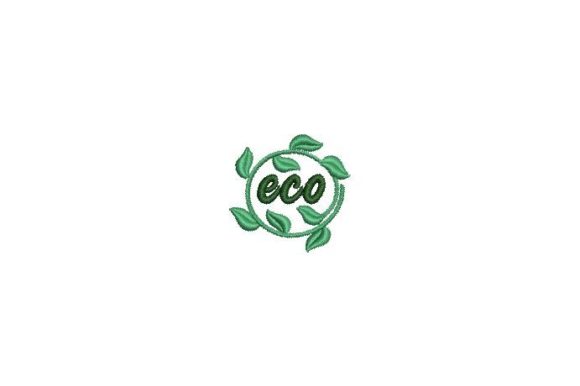
As an embroidery designer with years of experience in crafting unique and marketable designs, I’ve seen countless machine embroidery designs come and go. But when it comes to a design that balances simplicity with visual appeal, Eco stands out as a strong contender for craft fair products and handmade items.
First Impressions of Eco
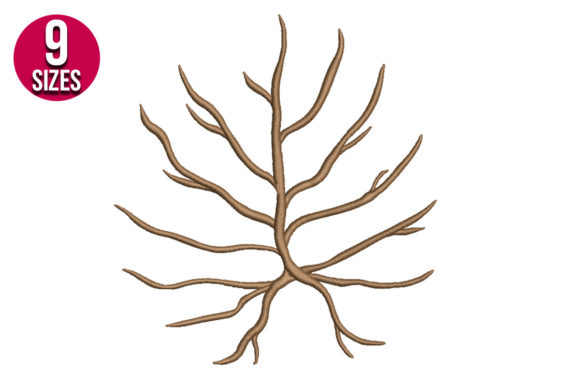
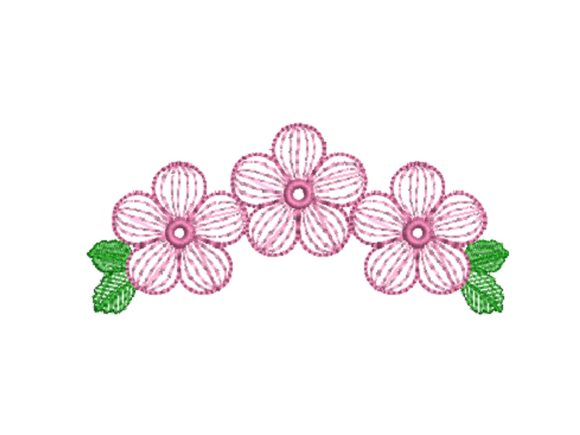
From the first glance, Eco feels modern and minimalist. The floral theme is subtle yet elegant, making it versatile enough to work on a variety of fabric types and product styles. It doesn’t scream for attention, but it commands it with its clean lines and soft curves. This makes it ideal for a range of handmade products, from rustic tote bags to refined aprons.
Where Eco Shines in Craft Fair Displays
At a craft fair booth, first impressions matter. Eco has the potential to stand out among other designs because of its balance between detail and simplicity. On a tote bag design, it adds a touch of sophistication without overwhelming the canvas. On an apron embroidery, it serves as a focal point that draws the eye but remains unobtrusive.
- Tea towel embroidery: Perfect for adding a decorative touch to kitchen linens.
- Embroidered patch: Ideal for caps or small pouches, where a subtle logo or accent is needed.
- Pillow cover: Adds a soft, natural feel to home décor items.
- Market bag: A great way to showcase eco-friendly branding through a simple, repeatable design.
Practical Selling and Production Considerations
One of the most important factors for any craft fair seller is how easy a design is to produce in bulk. Eco seems well-suited for this, as its simplicity suggests manageable stitch density and minimal thread color changes. This makes it ideal for small shop products and commercial embroidery projects.
For Etsy sellers and digital sellers, Eco could be a valuable addition to their design assets. Its versatility means it can be used across multiple product types, increasing its resale value. However, it’s important to test the embroidery file on different fabrics to ensure clarity and consistency.
Key Points for Embroidery Designers
Before finalizing Eco as a staple in your collection, consider the following practical tips:
- Test the design on scrap fabric to see how it looks in real life.
- Check thread contrast against the fabric color to avoid dull or unclear results.
- Review spacing to ensure it works both as a small accent and a larger focal piece.
- Confirm hoop size requirements to avoid unnecessary adjustments during production.
- Inspect stitch density to prevent puckering or distortion on delicate materials.
- Use the right stabilizer for thick or textured fabrics like towels or denim.
- Create at least one real mockup to visualize how the design will look on finished products.
- Compare fabric colors to ensure the design remains visible and appealing.
- Confirm commercial licensing before selling finished products to avoid legal issues.
Challenges and Careful-Use Notes
While Eco is generally user-friendly, there are some areas where care must be taken:
- Dense stitch areas: May require extra stabilizer to prevent puckering.
- Tiny details: Could be lost on smaller products or when stitched at lower sizes.
- Small lettering: If present, ensure it’s legible on all intended fabric types.
- Thick fabric: Might require adjusting the hoop or using a heavier stabilizer.
- Textured towels: Can affect the visibility of fine lines or patterns.
- Curved cap surfaces: May need a custom hoop or adjustment for even stitching.
- Dark fabric: Ensure thread colors provide sufficient contrast.
- Designs that may lose clarity at smaller sizes: Consider scaling options for different applications.
Impact on Visual Appeal and Customer Engagement
Eco has a quiet confidence that appeals to customers looking for understated elegance. In a craft fair setting, it can help elevate the perceived value of handmade products, especially when paired with high-quality fabric and thoughtful presentation.
For boutique makers and creative entrepreneurs, Eco offers a consistent brand element that can be repeated across multiple product lines. Whether it's used as a logo on a printable mockup or as a subtle embellishment on a small shop product, it maintains a cohesive aesthetic.
Final Thoughts on Eco
In summary, Eco is a versatile and attractive machine embroidery design that can serve a wide range of handmade and commercial applications. Its simplicity makes it easy to produce, while its floral theme adds a touch of nature and refinement. For those preparing for a craft fair or launching a new line of embroidered products, Eco is worth considering as a reliable and visually appealing option.
As always, take the time to test and refine your approach, ensuring that every finished product meets the standards expected by customers and fellow crafters alike.