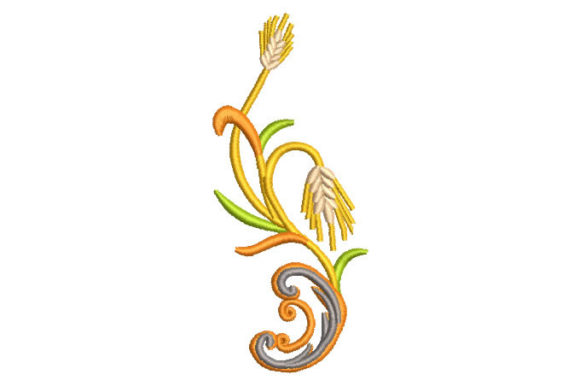
Wheat with Herringbone Embroidery Review
The First Impression of Wheat with Herringbone
As an embroidery designer, the first glance at Wheat with Herringbone immediately evokes a sense of rustic elegance. The design blends the natural motif of wheat with the structured pattern of herringbone, creating a visual balance that feels both organic and refined. The layout is well-proportioned, with the wheat stalks arranged in a way that suggests movement and flow, while the herringbone adds a subtle texture that elevates the overall aesthetic.
The detail level is impressive for a machine embroidery design. Each wheat blade is clearly defined, and the herringbone pattern maintains consistency without appearing too busy. The stitching personality leans toward a classic, handcrafted feel—ideal for a boutique brand aiming to convey authenticity and quality.
This design has the potential to become a standout element on any sweatshirt, offering a unique touch that feels both decorative and functional.
Wheat with Herringbone on Sweatshirt Embroidery
When considering how Wheat with Herringbone would translate to a sweatshirt, the design’s versatility becomes apparent. On neutral fabrics like heather gray or beige, it adds a subtle sophistication that complements the fabric’s tone without overpowering it. On dark backgrounds, such as navy or charcoal, the contrast is striking, making the design more prominent and eye-catching.
Pastel-colored sweatshirts provide a softer, more feminine interpretation of the design. The wheat and herringbone elements blend seamlessly into the color palette, creating a look that feels gentle and inviting. This makes it ideal for seasonal apparel, especially during spring or summer when light, breezy styles are in demand.
The design also works well on oversized hoodies, where it can be placed on the chest or back. As a hoodie design, it adds a layer of character without being overwhelming. For sleeve accents, it offers a delicate yet distinctive detail that enhances the overall look of the garment.
As a custom apparel embellishment, Wheat with Herringbone brings a sense of craftsmanship to the finished product, making it a strong choice for a boutique brand looking to differentiate itself in a competitive market.
Design Evaluation for Boutique Brand Use
For a small shop product, Wheat with Herringbone offers a range of possibilities. It can serve as a logo, a background pattern, or a standalone feature depending on the brand’s vision. Its floral undertones make it suitable for lifestyle product photography, where it can add visual interest and reinforce the brand’s identity.
When paired with a printable mockup, the design allows for quick previews and Etsy listings, giving sellers a clear idea of how it will appear on different garments. This is especially useful for handmade products, where visual representation plays a key role in customer engagement.
As a digital embroidery file, it provides flexibility for customization. Whether used on a single sweatshirt or as part of a larger collection, the design’s adaptability ensures it remains relevant across different applications.
For a boutique brand, this embroidery file could become a signature element that customers recognize and associate with quality and style.
Practical Considerations for Embroidery Designers
When working with Wheat with Herringbone, thread color contrast is essential. The design’s intricate details require careful selection of thread colors to ensure visibility and cohesion with the fabric. Lighter threads may not show up well on dark backgrounds, while darker threads could clash with pastel hues.
Stitch density is another factor to consider. The design’s structure suggests a moderate density that should work well on most fabrics. However, it’s important to test on different fabric textures to ensure the stitches lay flat and don’t pucker or distort the material.
Stabilizer choice will depend on the fabric type. For thicker materials like cotton or fleece, a medium-weight stabilizer is recommended to prevent puckering. For lighter fabrics, a tear-away stabilizer may suffice, provided the hoop size is appropriate.
Small-size readability is a concern for any embroidery design. Wheat with Herringbone appears to maintain clarity even at smaller sizes, which is crucial for items like tags, pockets, or sleeve details. Hoop placement should be planned carefully to avoid distortion, especially when working with curved or irregular shapes.
Washing durability is another practical consideration. A well-executed machine embroidery design should withstand multiple washes without fading or fraying. Testing the design on a sample garment before mass production is always advisable, particularly for commercial embroidery projects.
Overall, Wheat with Herringbone feels strong enough for use on commercial apparel, offering a balance between detail and functionality that suits a variety of applications.
Impact on Brand Identity and Customer Perception
Wheat with Herringbone has the potential to significantly impact a brand’s identity. Its unique combination of natural and structured elements can help a boutique brand stand out in a crowded market. When used consistently across different products, it can become a recognizable symbol of quality and artistry.
As a handmade product, the design reinforces the value of craftsmanship. Customers who appreciate attention to detail and thoughtful design are more likely to engage with a brand that uses high-quality embroidery. This can lead to increased trust, repeat purchases, and word-of-mouth referrals.
For an Etsy seller or creative entrepreneur, this design offers a way to elevate their offerings beyond generic patterns. It adds a layer of storytelling and visual appeal that resonates with modern consumers seeking authenticity and individuality.
In the right context, Wheat with Herringbone can transform a simple sweatshirt into a statement piece, enhancing both the product’s value and the brand’s presence in the market.